The Significance of Tea Ceremonies in Asia
Beyond a simple beverage, tea is a vessel for history, spirituality, and the profound art of mindfulness.
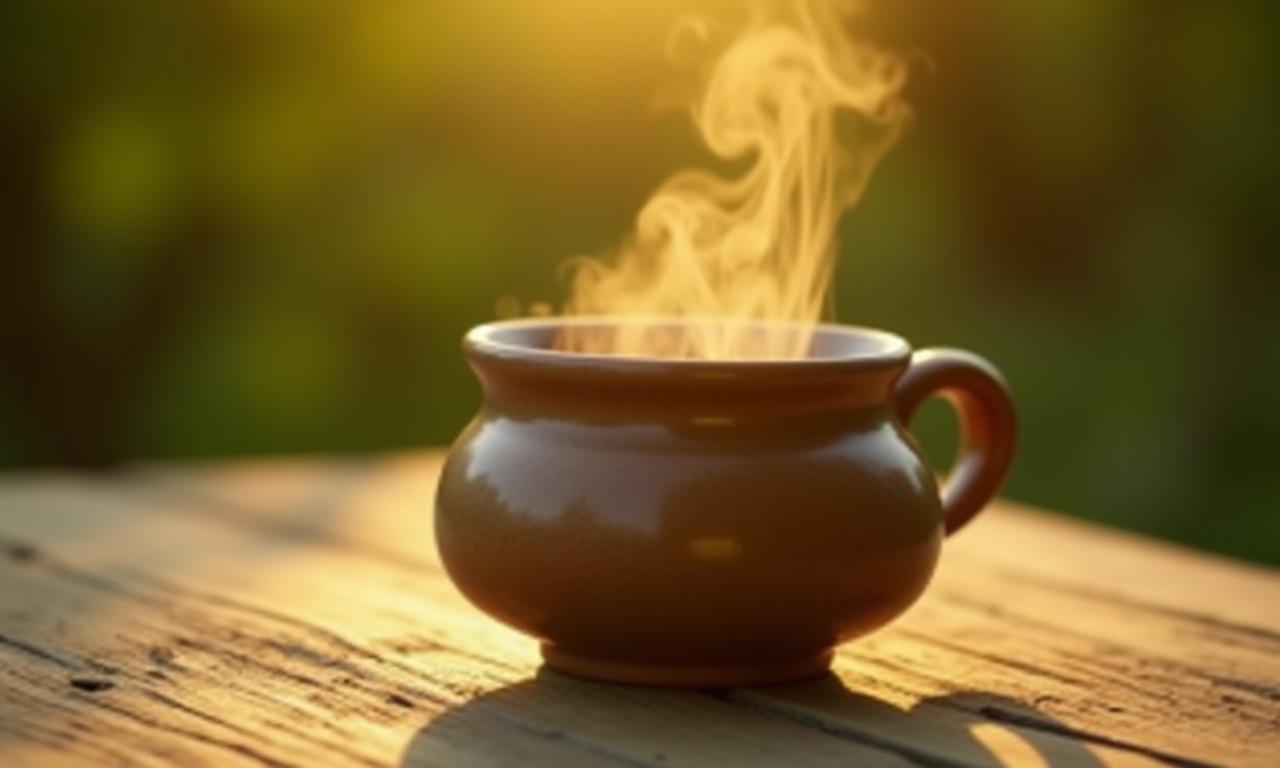
In many Western cultures, tea is a quick comfort or a caffeine source. However, across Asia, the act of preparing and consuming tea is often elevated to a spiritual experience. It is a meditative practice that emphasizes presence, respect, and the fleeting beauty of the moment.
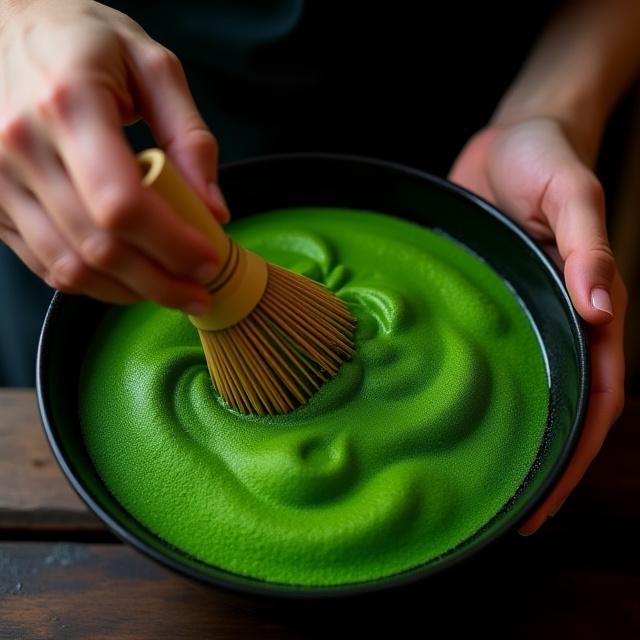
Japan: The Way of Tea (Chado)
The Japanese tea ceremony, or Chado, is a choreographed ritual of preparing and serving green tea, specifically Matcha. Rooted in Zen Buddhism, the ceremony is built upon four principles: Harmony (Wa), Respect (Kei), Purity (Sei), and Tranquility (Jaku).
Every movement, from the folding of the silk cloth to the whisking of the bright green tea powder, is performed with intentionality. The setting, often a minimalist tea room with a tatami floor, is designed to separate the guest from the distractions of the outside world.
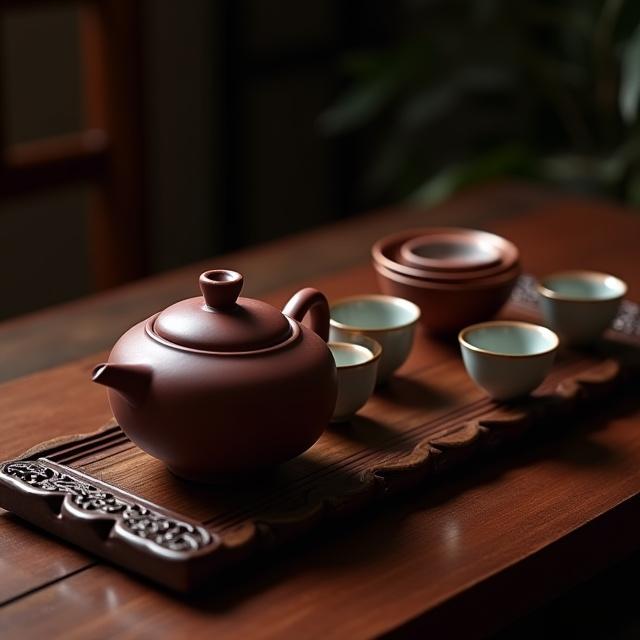
China: Gongfu Cha
In China, the Gongfu tea ceremony translates to "making tea with skill." Unlike the silent, meditative nature of the Japanese tradition, Gongfu is often a social occasion that highlights the sensory appreciation of the tea leaves themselves.
Using small Yixing clay teapots and tiny tasting cups, the tea is steeped multiple times. This allows the participants to experience how the flavor, aroma, and color of the tea evolve with each infusion. It is an education in patience and sensory awareness.
Respecting the Ritual While Traveling
When invited to a tea ceremony as a traveler, remember that your presence is as much a part of the ritual as the tea itself. Here are a few global tips:
- Observation First: Watch your host or other guests before taking action.
- Punctuality: Being late is often seen as a sign of disrespect toward the host's preparation.
- Appreciation: Comment on the tea's aroma or the beauty of the ceramics used.