A Guide to Responsible Tourism
How to leave a positive footprint on the world's diverse cultures and landscapes.
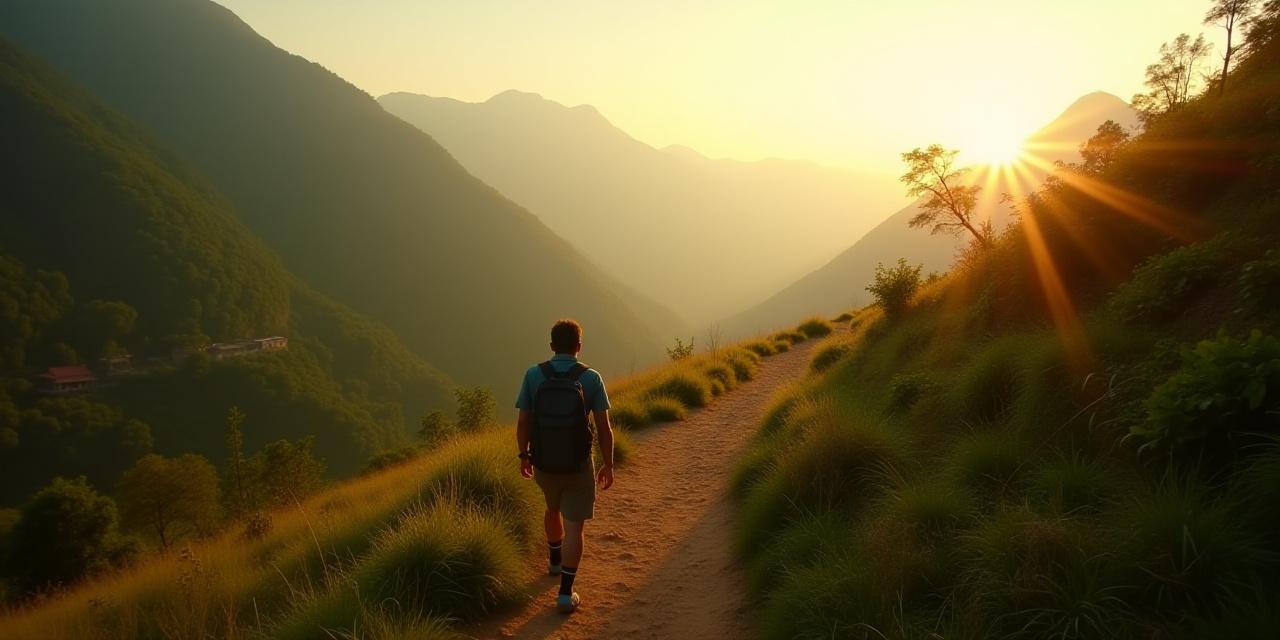
Environmental Impact: Treading Lightly
Responsible tourism begins with the acknowledgment that every step we take has an ecological cost. To mitigate this, we focus on the elimination of single-use plastics and the reduction of our carbon footprint. Carrying a reusable water bottle and bamboo utensils isn't just a trend; it's a necessity in regions where waste management infrastructure is fragile.
Consider slow travel. By staying longer in one location rather than flying between cities every three days, you significantly reduce the aviation emissions associated with your journey while gaining a deeper connection to the local environment.
Economic Impact: Supporting Local Life
True sustainability is economic. When you visit a new destination, your most powerful tool for change is your wallet. Instead of dining at international chains, seek out family-run eateries. These businesses are the backbone of local communities, ensuring that the wealth generated by tourism stays within the region.


Support local artisans. The purchase of a handmade craft directly supports a family and preserves traditional skills that might otherwise vanish in the face of mass production.
Wildlife Interactions: The 'Look but Don’t Touch' Rule
Nature's wonders are meant to be observed, not curated for our entertainment. Animals should be viewed in their natural habitats without interference. Avoid attractions that offer photo opportunities with captive wild animals or performances that require animals to behave unnaturally.
Maintain a safe distance and never feed wildlife. Human food can disrupt natural diets and lead to dangerous habituation. By being a silent observer, you protect the health and freedom of the species you have come to admire.
Social Impact: Respect and Propriety
Cultural sensitivity is the heart of ethical travel. Responsible tourists understand that they are guests in someone else's home. This involves more than just following local laws; it requires an active effort to understand social norms, dress codes, and the etiquette of privacy.
Before taking a portrait of a local resident, ask for permission. Respect sacred sites by following silence and clothing protocols. These small gestures build a bridge of mutual respect between the traveler and the host community.